
Should You Repair or Replace Your Car?
Let's explore when to repair or replace your car, including costs, risks and options if you can’t afford repair costs upfront.

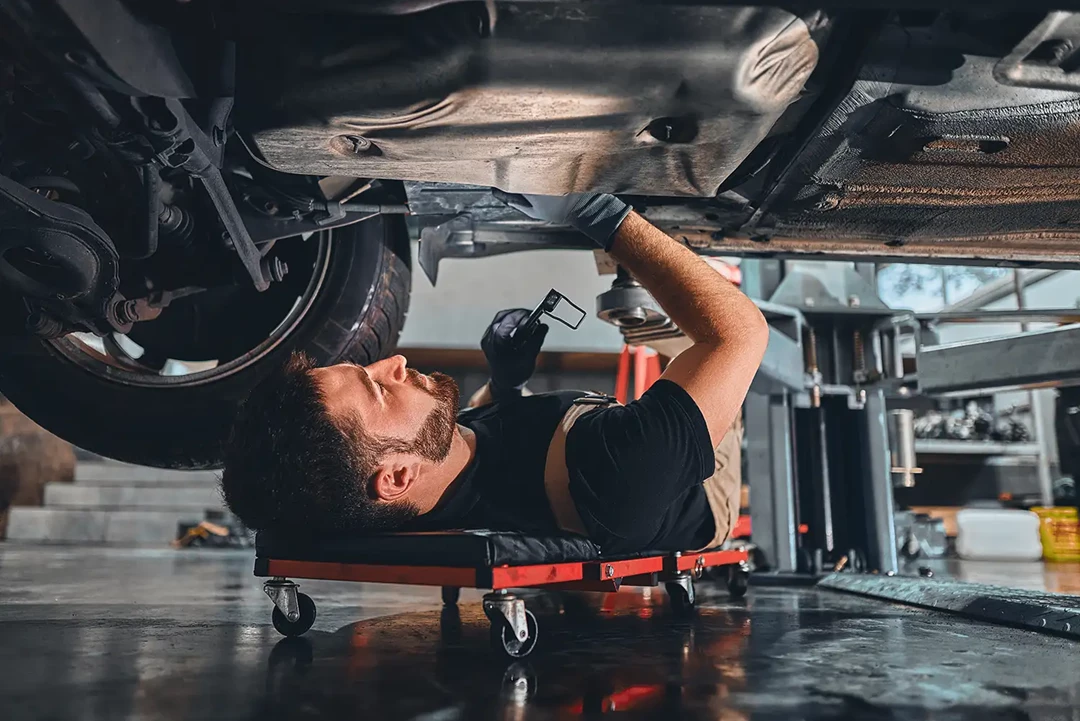
Facing a big repair bill can be stressful and confusing. Do you fix your current car and hope it keeps going, or cut your losses and replace it? With rising repair costs and changing used car prices, it’s not always a straightforward decision.
This guide will help you weigh up the costs, risks, and practical factors so you can make a smart, informed choice5.
5. This information is general in nature and is for information purposes only. It is not financial advice.
A Simple Starting Point
If you need a fast starting point:
- Repair cost under 30% of your car’s value - usually worth fixing
- Repair cost between 30% - 50% - depends on reliability and future costs
- Repair cost over 50% - often better to consider replacing
This isn’t a strict rule, but it’s a useful way to frame your decision.
Key Factors to Consider
1. What Is Your Car Actually Worth?
Before deciding, get a realistic idea of your car’s current market value.
- Check pricing guides like RedBook or CarsGuide
- Look at similar vehicles, condition and age listed for sale
- Compare private sale vs trade-in value
It’s easy to overestimate your car’s worth, especially if you’ve owned it for years. Try to focus on market value rather than sentimental value.
2. How Much Are the Repairs - and What’s Next?
Not all repairs are equal.
- One-off fix (e.g. replacing a starter motor) - lower risk
- Major or compounding issues (e.g. transmission, suspension, cooling system) - higher risk
Ask your mechanic:
“What else is likely to fail in the next 6 - 12 months?”
If multiple costly repairs are probable, replacing the car may make more sense than spending good money on it first.
3. Age and Mileage
Older vehicles tend to need more frequent repairs.
- Over 150,000 km - higher likelihood of wear-related issues
- 10+ years old - parts may start failing more regularly
That said, a well-maintained car with a solid service history can still be a good candidate for repair.
4. Reliability and Safety
If your car is breaking down regularly, it’s more than just an inconvenience.
Consider:
- Frequent warning lights or breakdowns
- Issues with brakes, steering, or suspension
- Safety features not working as intended
If safety is in question, replacing your vehicle is often the better option.
5. Cost of Replacing Your Car
Replacing your car involves more than just the purchase price.
You may need to budget for:
- Stamp duty and transfer fees
- Registration and insurance
- Potential upgrades (newer model, better features)
Even a modest upgrade can significantly increase your overall costs.
A Simple Cost Comparison Example
Let’s say:
- Repair cost: $3,000 (transmission)
- Current car value: $8,000
- Replacement vehicle: $18,000
Repair = 37.5% of car value - this is borderline, but still reasonable
Replacing the car would require a much larger upfront cost (or finance commitment).
In this case, repairing the car may be the more practical short-term option - especially if no other major issues are expected.
When It Makes Sense to Repair
Repairing your car is often the better choice if:
- The car is generally reliable
- The repair cost is moderate
- There are no major additional issues expected
- You want to avoid taking on new debt
When It Makes Sense to Replace
You may be better off replacing your car if:
- Repairs are becoming more frequent frequent
- The cost is high relative to the car’s value
- Safety is a concern
- Your needs have changed (e.g. family, work, long commute)
Hidden Costs People Often Overlook
It’s not just about the repair bill or purchase price.
Think about:
- Downtime without your vehicle
- Towing and emergency costs
- Lost income if you rely on your car for work
- Stress and inconvenience
These factors can tip the balance either way.
What If You Can’t Afford Either Option?
If you’re stuck between an expensive repair and the cost of replacing your car, you still have options:
- Spread the cost of repairs through payment plans
- Consider upgrading to a more reliable vehicle with manageable repayments
- Trade in your current car to reduce upfront costs
- Get a loan pre-approval to understand your budget before replacing your vehicle
The key is finding a solution that keeps your finances stable while getting you back on the road.
Summing Up
There’s no one-size-fits-all answer when it comes to repairing or replacing your car.
The best approach is to look at:
- The total cost over the next 1 - 2 years
- The reliability and safety of your current vehicle
- Your current finances and flexibility
By focusing on the bigger picture, you can make a decision that works for both your budget and your lifestyle.
5. This information is general in nature and is for information purposes only. It is not financial advice.
Repairing vs Replacing Yor Vehicle FAQs
It can be, especially if the car is otherwise reliable and the repair cost is reasonable compared to its value.
A common guideline is avoiding repairs that exceed 50% of the car’s value, unless the vehicle is in excellent condition.
Minor repairs can improve resale value, but major repairs don’t always deliver a full return on investment.
Yes, some lenders, such as Money3 offer options to spread the cost of larger repairs, depending on your situation.
It depends on the cost of repairs, your car’s value, and whether a replacement offers better long-term reliability.
5. This information is general in nature and is for information purposes only. It is not financial advice.
Vehicle Loans We Offer
Car Repair Loans
Personal loans for car repairs are available, up to $30,000 including loans for maintenance, upgrades or repairs for other vehicle types.

Used Car Loans
We offer loans to purchase used and second-hand cars. Private sales or when buying from a dealership are welcome. We could help you purchase your next car.

Car Finance
Car finance with Money3 goes up to $75,000 for both new and used cars from private sales or from dealerships. Money3 will give you a fair go.

Bad Credit Car Finance
At Money3, we’ll give you a fair go, even with a bad credit history. Car finance up to $75,000 over 2 to 7 years.

Centrelink Friendly* Car Loans
Apply for a car loan with Money3, even if you receive Centrelink payments*. We believe in giving everyone a fair go, including those who are on Centrelink benefits. Other vehicles considered.

Vehicle Finance
You could obtain finance for all road vehicle types plus boat or watersport vehicles with Money3. From caravans and trailers to boats and motorbikes. We'll give you a fair go!
* Money3 is not affiliated with, or endorsed by, Services Australia, but does provide personal loan and vehicle finance options which are available to recipients of benefit payments